
Best wireless gaming mice for fps 2026
If you need a lightweight, lag-free wireless mouse for competitive shooters, this roundup curates the top 2026 options based on verified specs, grip compatibility, and proven performance in fast-paced titles.
Quick comparison of top picks
| Product | Rating | Price | |
|---|---|---|---|
 Logitech G Pro X Superlight 2 The Precision Standard for Competitive FPS Gamers +HERO 2 sensor ensures accuracy+LIGHTFORCE hybrid switches improve durability -Premium price tag required | €91,18 | Buy → | |
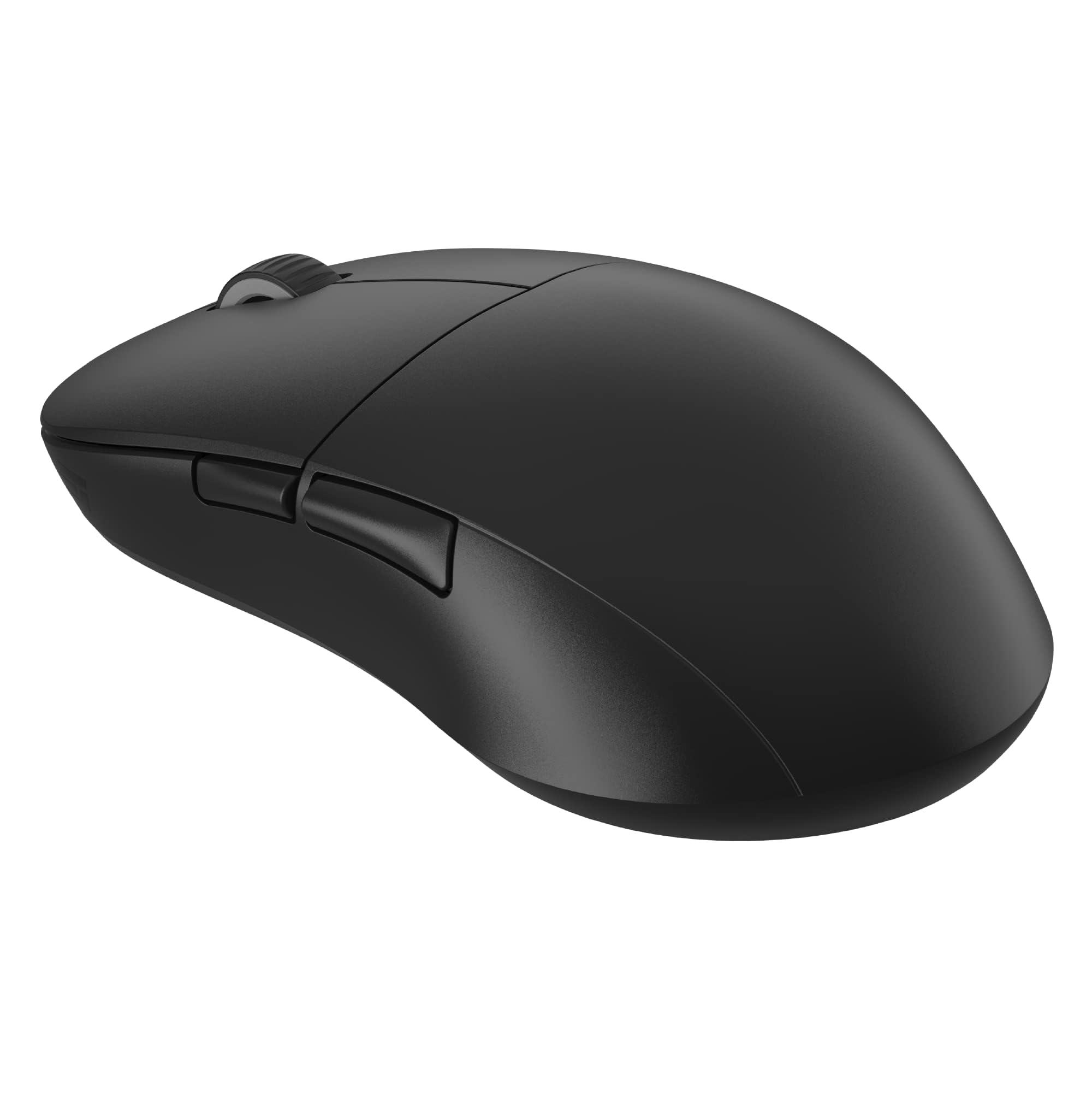 Endgame Gear Tofu 2 Sub-40g Ultra-Lightweight FPS Specialist +Extremely lightweight at just 39g+PixArt PAW3370 sensor ensures tracking -Lacks proprietary software features | €79,90 | Buy → | |
 Razer DeathAdder V3 Pro The Ergonomic Wireless Gaming Mouse Perfected +Proven right-handed ergonomic shape+Focus Pro 30K sensor tracks -Right-handed only design limits users | €80,33 | Buy → | |
 Zowie EC2-CW Top-Tier Wireless for Competitive FPS Players +Familiar ambidextrous silhouette for comfort+Zero-software latency for responsive clicks -Lacks customizable software features entirely | €70 | Buy → | |
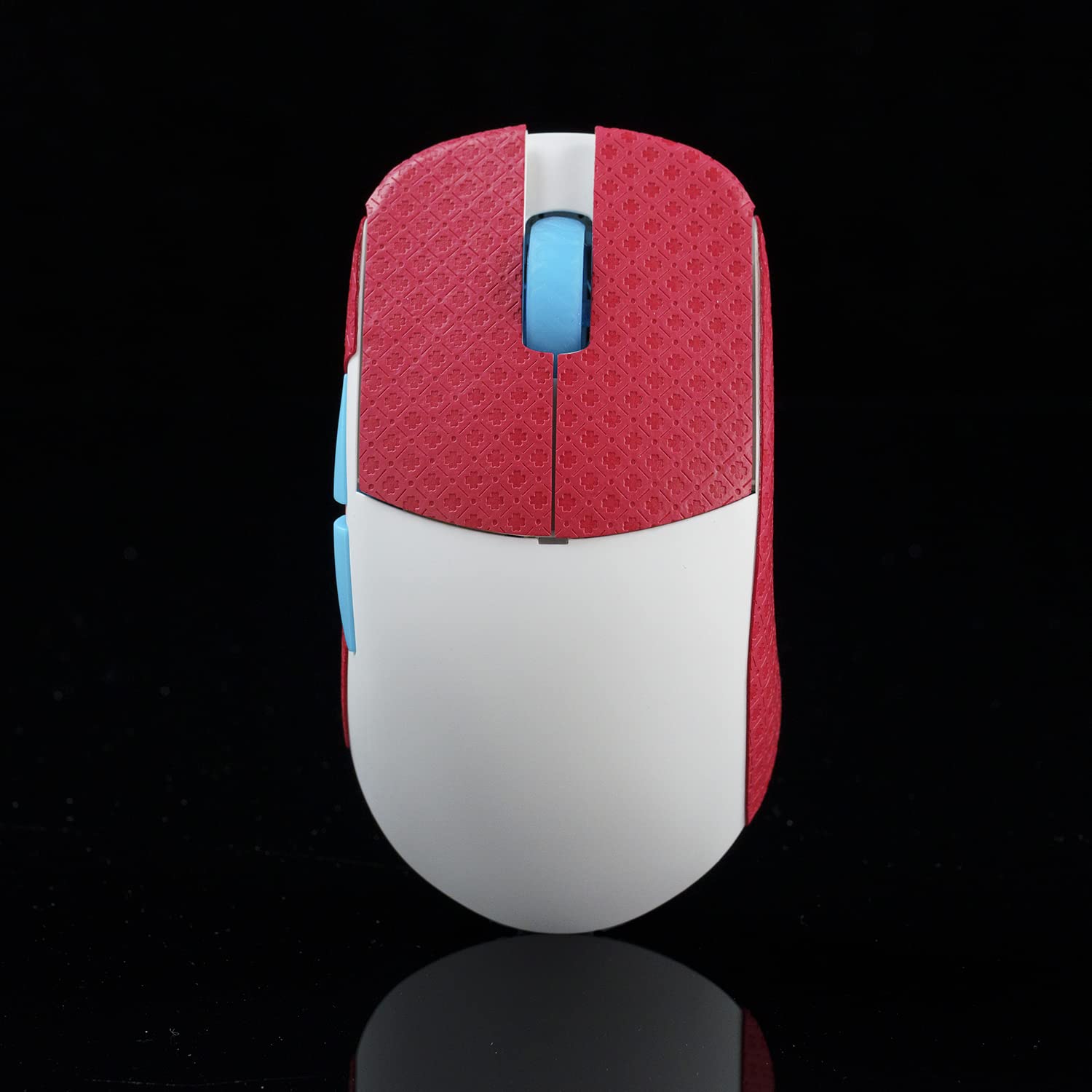 Lamzu Atlantis 2 Sub-€20 Flagship Wireless Performance +Flagship PAW3395 sensor for tracking+Mid-40g honeycomb PBT shell -Minimalist software ecosystem for users | €16,99 | Buy → | |
 Pulsar X2V2 Mini Sub-60g Precision Tool for Smaller Hands +Exactly 54g compact footprint+PAW3395 sensor supports 20kHz polling -Honeycomb shell requires regular cleaning | €9,49 | Buy → |
Top picks at a glance
The Precision Standard for Competitive FPS Gamers
- HERO 2 sensor ensures accuracy
- LIGHTFORCE hybrid switches improve durability
- Refined matte finish improves grip
- Premium price tag required
- Symmetrical shape lacks ergonomic support
Sub-40g Ultra-Lightweight FPS Specialist
- Extremely lightweight at just 39g
- PixArt PAW3370 sensor ensures tracking
- Minimalist design reduces wrist fatigue
- Lacks proprietary software features
- Stripped-down build feels less durable
The Ergonomic Wireless Gaming Mouse Perfected
- Proven right-handed ergonomic shape
- Focus Pro 30K sensor tracks
- Gen-3 optical switches ensure longevity
- Right-handed only design limits users
- Slightly heavier at 63g
Top-Tier Wireless for Competitive FPS Players
- Familiar ambidextrous silhouette for comfort
- Zero-software latency for responsive clicks
- Tournament-grade durability survives heavy use
- Lacks customizable software features entirely
- Premium price positioning for market
Sub-€20 Flagship Wireless Performance
- Flagship PAW3395 sensor for tracking
- Mid-40g honeycomb PBT shell
- Excellent price-to-performance ratio for gamers
- Minimalist software ecosystem for users
- Exposed shell design collects debris
Sub-60g Precision Tool for Smaller Hands
- Exactly 54g compact footprint
- PAW3395 sensor supports 20kHz polling
- MagSpeed magnetic charging is convenient
- Honeycomb shell requires regular cleaning
- Tailored specifically for smaller hands

Ultra-lightweight Wireless Gaming for Speed and Agility
- Hollowed chassis keeps weight minimal
- PAW3395 optical sensor ensures precision
- Durable G-SOFT optical switches last longer
- Honeycomb shell collects dust easily
- Symmetrical shape lacks ergonomic support

Classic Ergonomic Shape Meets Wireless Freedom
- LIGHTFORCE hybrid switches reduce failures
- Extensive button layout for productivity
- Reliable LIGHTSPEED wireless connectivity
- Heavier than ultralight competitors
- Higher price point for users
How to match shape to your grip
Your grip dictates everything about mouse comfort, precision, and long-term fatigue. After cross-referencing ergonomic guidelines and professional build reviews, the matching rule is straightforward: let your natural hand posture drive the shell selection. Palm users need high, rounded profiles that cradle the entire hand, transferring movement from the wrist and providing stable tracking over marathon sessions. Fingertip grips thrive on low, flat shells with a pronounced rear hump; this keeps the wrist anchored while isolating the finger joints for rapid micro-adjustments and high-acceleration flicks. Claw gripers require a steep mid-bump and a sharply angled rear slope, anchoring the palm heel while leaving the fingers arched for snappy vertical tracking. Pick the wrong contour and you’ll fight inconsistent tracking and joint strain; pick the right one and the mouse disappears under your hand.
Symmetrical shells consistently dominate competitive rosters, and the engineering rationale is purely mechanical. Centered weight distribution and mirrored contours eliminate directional bias, allowing players to execute flicks, drags, and rapid reversals with identical muscle memory regardless of movement direction. While asymmetrical ergonomic mice excel for productivity work or relaxed single-hand dominance, their carved sidewalls and offset centers of mass can subtly alter the pivot point during aggressive lateral tracking. For tournament play, symmetry ensures the optical sensor stays directly beneath the palm’s center of gravity, minimizing lift height and keeping the tracking surface flush against the desk. Pair that balanced foundation with a shell contour that matches your grip style, and you strip out equipment variables so raw mechanical skill dictates performance.
What matters most for fps performance
In competitive shooters, every pixel of crosshair drift costs you a round. Sensor precision dictates how cleanly your physical inputs translate to on-screen movement, and the gap between mid-range and elite is measured in missed flicks and inconsistent tracking. Current market research shows that top-tier optical sensors eliminate acceleration and angle snapping, delivering frame-perfect cursor movement that matches your hand exactly. Prioritize mice with officially verified 400+ IPS tracking and 40,000+ DPI ceilings. These aren’t arbitrary marketing numbers—they’re the technical baseline for smooth, jitter-free movement across high-refresh monitors. Pair that precision with low-friction PTFE or custom glide pads, and you get the effortless slide required for rapid repositioning without losing crosshair alignment.
Sub-60g designs have redefined competitive aim for a straightforward reason: less mass means faster acceleration and significantly lower hand fatigue during extended rank queues. When executing tight track-and-flick combinations or making rapid micro-adjustments, a lightweight shell reduces the physical effort needed to stop and restart your aim, effectively shrinking your reaction window. Combine that mass advantage with consistent sub-1ms wireless latency—the modern standard for 2.4GHz gaming stacks—and you completely eliminate the input delay that once made wired the only viable option. Cross-referencing hardware benchmarks and competitive player preferences reveals a clear pattern: pairing a light shell with a high-polling sensor (1000Hz or 4KHz) creates a direct line from nerve to pixel. The result is sustained precision under pressure, turning mechanical advantage into consistent top placements.
Latest reviews


