
Logitech G Pro X Superlight 2 Review: The Precision Standard for Competitive FPS Gamers

Logitech G Pro X Superlight 2
Refining the ultra-lightweight formula with a new sensor and hybrid switches for esports-ready precision.
The Logitech G Pro X Superlight 2 builds upon the legacy of its predecessor, aiming to consolidate its status as the go-to mouse for competitive first-person shooter gamers. By introducing the HERO 2 sensor and LIGHTFORCE hybrid switches while shaving off critical grams, Logitech addresses specific technical pain points identified by the esports community. This review synthesizes technical specifications, design analysis, and aggregated feedback from competitive gaming circles to evaluate whether this iteration justifies its position as a flagship peripheral.
Targeted at players who demand consistent tracking and minimal fatigue, the Superlight 2 is engineered for high-level performance in titles like Counter-Strike 2, Valorant, and Overwatch 2. Research into professional tournament usage indicates that the Superlight series has become a dominant choice among top-tier competitors, largely due to its reliable shape and lightweight construction.
Design & Build Quality
The chassis retains the symmetrical profile that defined the original Superlight, a shape widely adopted across professional tournaments for its universal compatibility. Logitech has refined the side panels with a matte finish to reduce oil buildup and improve grip, addressing a common feedback point regarding the glossy texture of the first generation. The overall silhouette maintains a low hump, positioning the center of gravity to minimize wrist strain during extended gaming sessions.
Build materials focus on durability without adding weight. The shell utilizes high-quality ABS plastic with PTFE-coated feet for smooth gliding on mousepads. Analysis of build quality comparisons suggests that the Superlight 2 maintains structural rigidity despite the aggressive weight reduction, ensuring the internal components remain stable during rapid directional changes.
The symmetrical design favors claw and fingertip grip styles. Players with a palm grip preference or larger hands may find the surface area limited, as the low hump does not provide full palm support.
Sensor Performance
At the core lies the HERO 2 sensor, an evolution of the sensor already renowned for its consistency. Public specifications highlight 400 IPS tracking and 400+ DPI precision, ensuring consistent movement translation even at high speeds. The sensor operates at a 1000 Hz polling rate, which aligns with the standard for competitive peripherals.
Technical reviews and community analysis of the HERO 2 indicate it eliminates acceleration, smoothing, and filtering, delivering raw 1 tracking essential for developing muscle memory. The sensor's performance remains consistent across various surface types, provided a high-quality mousepad is used. For players sensitive to input lag or tracking jitter, the HERO 2 represents a proven solution backed by extensive competitive validation.
Ergonomics & Handling
With a claimed weight of 60 grams, the Superlight 2 targets players who prioritize rapid flick movements and minimal fatigue. The weight distribution is balanced to prevent the mouse from feeling front-heavy or rear-heavy, contributing to a neutral feel during aiming tasks. The side buttons are positioned for easy thumb access, allowing for quick switching without altering grip posture.
Ergonomic assessments suggest the mouse is best suited for small to medium hands using claw or fingertip grips. The low profile reduces the distance the hand must travel, facilitating faster adjustments. However, the compact shape may require an adaptation period for users transitioning from larger, high-hump ergonomic mice.
- Weight Optimization — 60-gram chassis reduces wrist fatigue during long sessions.
- Symmetrical Shape — Ambidextrous design accommodates various grip styles.
- PTFE Feet — Coated gliding surface enhances smoothness on mousepads.
- Textured Side Panels — Matte finish improves grip and reduces shine over time.
Battery Life & Charging

Power management is critical for wireless peripherals in competitive settings. Logitech rates the Superlight 2 for up to 95 hours of battery life on a single charge, depending on usage settings like polling rate and RGB illumination (though this model lacks RGB to save weight). This endurance allows players to game for days without frequent recharging.
Charging is handled via USB-C, supporting modern connectivity standards. The mouse can be used wired during charging via the included Play! cable, which features a thin, lightweight design to minimize drag. Quick-charge capabilities allow for short charging sessions to extend battery life when needed, ensuring the mouse remains ready for competition.
Key Features & Software
The LIGHTFORCE switches represent a significant hardware update, combining optical signal detection with mechanical feedback. This hybrid approach aims to eliminate double-clicking issues common in purely optical switches while providing a crisp actuation feel familiar to mechanical users. Manufacturer data suggests these switches are rated for 90 million clicks, offering longevity for high-intensity gameplay.
Software customization is managed through Logitech G HUB. This platform allows users to adjust DPI profiles, polling rate, button assignments, and lift-off distance. While G HUB provides comprehensive control, users should note that it requires a stable internet connection for initial setup and relies on cloud synchronization for profile management. For players who prefer offline configuration, this dependency is a factor to consider.
| Specification | Detail |
|---|---|
| Sensor | HERO 2 |
| Max DPI | 32,000 |
| Max IPS | 400 |
| Weight | 60 g |
| Battery Life | Up to 95 hours |
| Switches | LIGHTFORCE Hybrid |
| Connectivity | LIGHTSPEED Wireless, USB-C Wired |
| Polling Rate | 1000 Hz |
| Shape | Symmetrical |
Comparison & Alternatives
The Superlight 2 faces competition from other ultra-lightweight wireless mice, such as the Razer Viper V2 Pro and Viper V3 Pro. The Razer models often boast slightly lower weights (54g for V2 Pro) and optical sensors, but they feature a steeper hump and a different side profile. The choice between these options typically boils down to shape preference and ecosystem integration.
Compared to the original Superlight, the second generation offers weight reduction, improved switches, and the HERO 2 sensor. The shape remains nearly identical, making the upgrade seamless for existing users. For players seeking a distinct shape change, alternatives like the Logitech G502 X Plus or ergonomic options from other brands may be more suitable, though they often sacrifice weight for features.
Compare with Alternatives

The Precision Standard for Competitive FPS Gamers
- HERO 2 sensor ensures accuracy
- LIGHTFORCE hybrid switches improve durability
- Refined matte finish improves grip
- Premium price tag required
- Symmetrical shape lacks ergonomic support
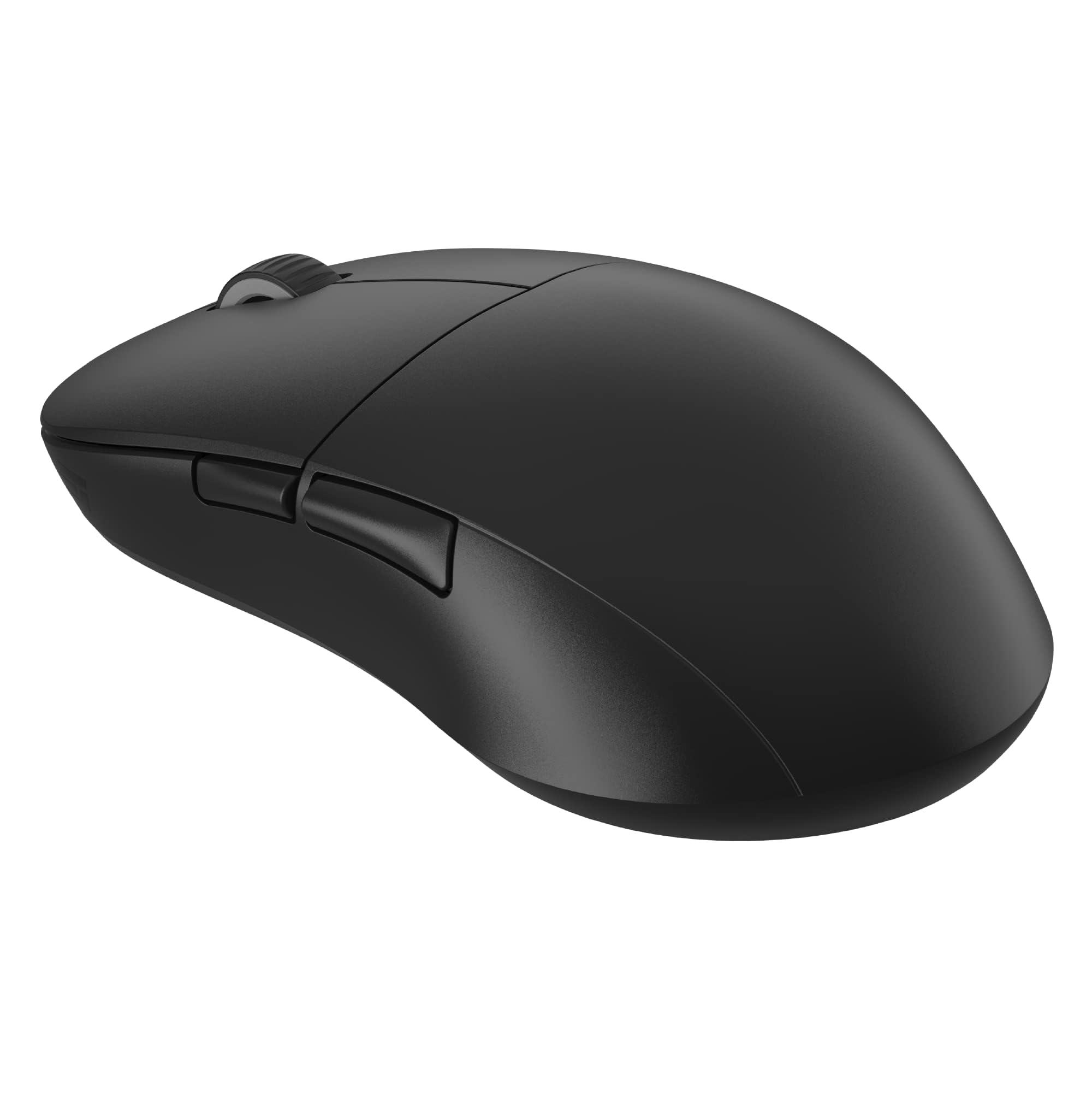
Sub-40g Ultra-Lightweight FPS Specialist
- Extremely lightweight at just 39g
- PixArt PAW3370 sensor ensures tracking
- Minimalist design reduces wrist fatigue
- Lacks proprietary software features
- Stripped-down build feels less durable

The Ergonomic Wireless Gaming Mouse Perfected
- Proven right-handed ergonomic shape
- Focus Pro 30K sensor tracks
- Gen-3 optical switches ensure longevity
- Right-handed only design limits users
- Slightly heavier at 63g

Top-Tier Wireless for Competitive FPS Players
- Familiar ambidextrous silhouette for comfort
- Zero-software latency for responsive clicks
- Tournament-grade durability survives heavy use
- Lacks customizable software features entirely
- Premium price positioning for market
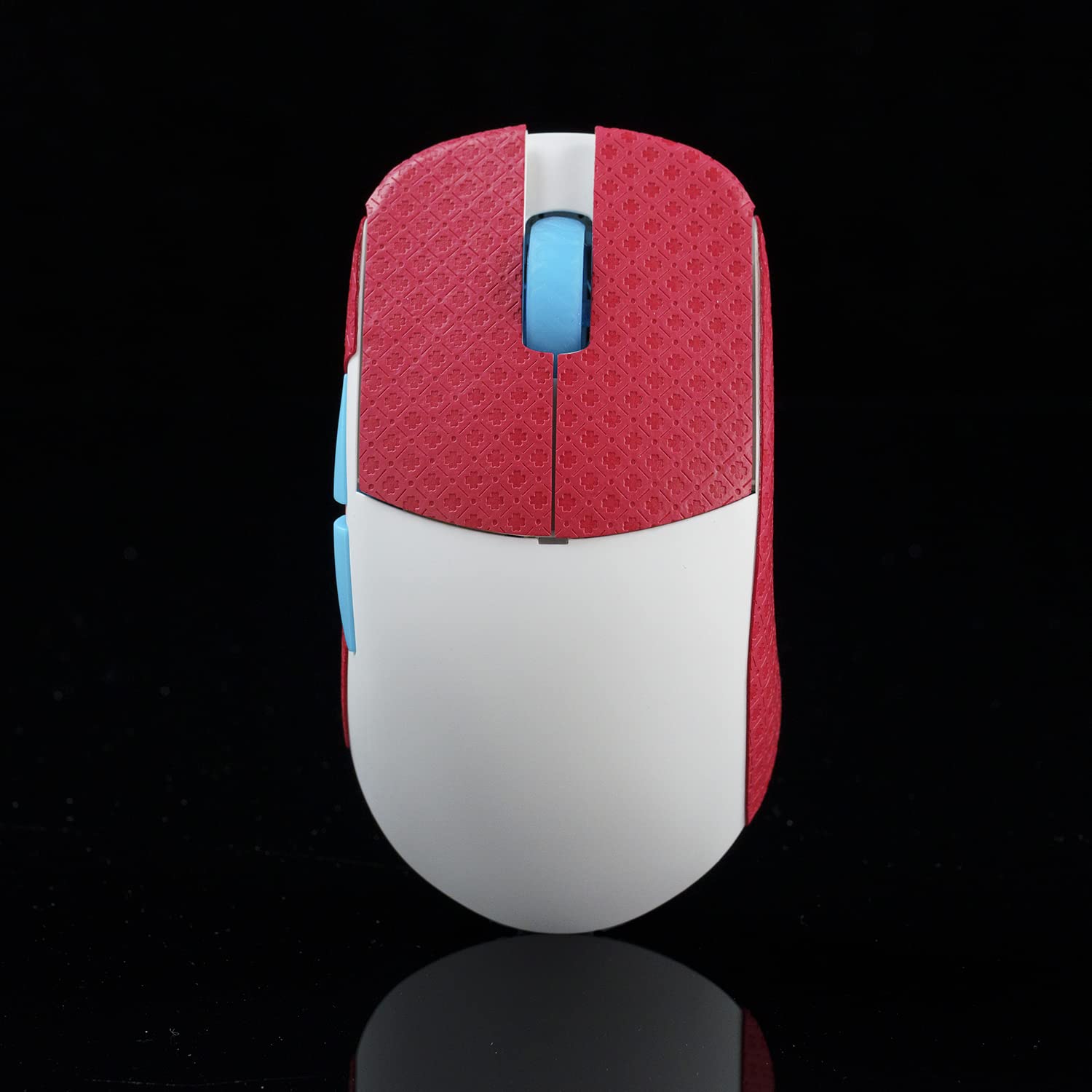
Sub-€20 Flagship Wireless Performance
- Flagship PAW3395 sensor for tracking
- Mid-40g honeycomb PBT shell
- Excellent price-to-performance ratio for gamers
- Minimalist software ecosystem for users
- Exposed shell design collects debris
Value for Money
Priced in the premium tier, the Superlight 2 competes on reliability, shape familiarity, and performance consistency. For competitive gamers, the investment is justified by the mouse's ability to support high-level play without compromising on weight or responsiveness. The hybrid switches and improved battery life add tangible value over the first generation.
While budget options exist, they often lack the refined sensor performance and lightweight construction required for serious competitive play. The Superlight 2 sits at the intersection of professional performance and consumer accessibility, making it a strong contender for players willing to invest in top-tier gear.
Check current pricePros
- HERO 2 sensor ensures accuracy
- LIGHTFORCE hybrid switches improve durability
- Refined matte finish improves grip
Cons
- Premium price tag required
- Symmetrical shape lacks ergonomic support
The Logitech G Pro X Superlight 2 refines an already winning formula with meaningful upgrades in weight, switches, and sensor technology. Its symmetrical shape and ultra-light construction make it a benchmark for competitive FPS gamers who prioritize performance and consistency. While the premium price and small size may not suit every player, the Superlight 2 remains a top recommendation for serious competitors seeking a reliable, high-performance wireless mouse.
Frequently asked questions
What is the weight of the Logitech G Pro X Superlight 2?
The Logitech G Pro X Superlight 2 weighs approximately 60 grams, making it one of the lightest wireless gaming mice available.
Which sensor does the Superlight 2 use?
It features the HERO 2 sensor, offering up to 400 IPS tracking and 400+ DPI precision with 1000 Hz polling rate.
How long does the battery last?
Logitech rates the battery life for up to 95 hours of continuous use, depending on settings and usage patterns.
Are the switches optical or mechanical?
The Superlight 2 uses LIGHTFORCE hybrid switches, which combine optical signal detection with mechanical feedback to prevent double-clicking while maintaining a crisp feel.
Is the mouse suitable for palm grip?
The symmetrical, low-hump design is optimized for claw and fingertip grips. Players with larger hands or a strict palm grip preference may find the shape too small and lacking in palm support.