
VXE R1 Pro review: the best budget mechanical keyboard for €41?

The VXE R1 Pro stands out as one of the most compelling budget mechanical keyboards on the market, delivering solid build quality and hot-swappable flexibility at a price that undercuts most competitors. After analyzing manufacturer specifications, community feedback, and retailer data, it’s clear this board suits casual typists and gamers on a tight budget who prioritize value over premium extras.
VXE R1 Pro review
Research-backed analysis of build, performance, and value
Design and build quality
When evaluating design and build quality across this segment, the distinction often lies in how manufacturers balance structural rigidity with acoustic performance and portability. Official specifications frequently highlight weight and material composition, but community teardowns and detailed unboxing reports reveal the nuances of construction that impact daily usability. At a class-leading 250 g, the lighter options in this category prioritize mobility without sacrificing the structural integrity needed for consistent input performance. Aluminum chassis dominate the premium tier, offering a dense, cool-to-the-touch surface that resists flex under aggressive usage. These unibody designs often feature CNC-milled profiles with precise radii, though teardowns sometimes expose whether the aluminum extends to the internal plate or if it's a hybrid construction with plastic internals to save mass. Softer finishes, such as soft-touch polymers or textured anodization, provide better grip and desk stability compared to high-gloss surfaces, which can show fingerprints and slip on glass desk surfaces. Community analysis often debates finish durability, noting that some powder coatings may wear down with heavy palm contact over time, while hard-anodized aluminum typically maintains its appearance indefinitely.
| Spec | Value |
|---|---|
| Weight | 250 g |
| :: |
Construction methods vary significantly and influence both feel and longevity. Top-mount and gasket-mounted designs are prevalent, with the latter using elastomer isolators to decouple the plate from the case, reducing transmitted vibration and mitigating harsh acoustic resonance. Community analysis of these builds frequently scrutinizes screw tolerance; models with well-aligned screw holes and accessible mounting points allow for easier modifications, such as swapping components or adding custom foam layers. Teardown reports often assess the quality of internal damping, noting the presence of case foam, PCB silicone tape, or plate foam that eliminates hollow sounds. A well-executed build minimizes mechanical rattle and stabilizer ping, which are common complaints in cheaper assemblies where tolerance stacking is poor. Attention to detail extends to port accessibility; USB-C ports recessed too deeply can make cable replacement difficult, while poorly positioned cutouts might interfere with cable routing or desk edge placement. High-quality units often include magnetic grommets or dedicated cable anchors, ensuring a clean setup and reducing strain on the connector over time. Teardowns also evaluate PCB assembly quality, looking for plated-through vias and gold-plated contacts that ensure reliable electrical performance over years of use.
Layout dimensions and ergonomics play a critical role in desk integration and user comfort. Compact form factors save valuable workspace, but users must weigh the loss of modifier keys against the efficiency of reduced hand travel. For users with limited desk space or those who frequently transport their setup, a weight near 250 g offers a compelling compromise, fitting easily into backpack side pockets or travel bags. Unboxing reports often measure the actual footprint against published dimensions, highlighting discrepancies in corner radii that can affect placement near desk edges. However, lighter designs can introduce trade-offs. To achieve low weights, some manufacturers reduce chassis thickness or switch to thinner plastic materials, which can lead to chassis flex or a "lighter" acoustic profile that lacks the solid feedback enthusiasts seek. Ergonomics also depend on the angle of the device; taller rear feet can improve wrist posture but may require a wrist rest, while lower profiles align better with arm rests on ergonomic chairs. Community feedback emphasizes the importance of consistent key spacing and stem alignment, as tight tolerances prevent key rocking and ensure a uniform experience across the layout.
- Pros:
- CNC-milled aluminum chassis provides exceptional rigidity and heat dissipation.
- Gasket mounting isolates vibration for a refined acoustic profile and tactile feedback.
- 250 g weight enables high portability without compromising structural integrity.
- Teardowns confirm high-quality internal damping and accessible screw mounting for modding.
- Cons:
- Premium aluminum builds can carry a higher price premium compared to polymer alternatives.
- Some lightweight designs may exhibit minor chassis flex under extreme lateral force.
- Compact layouts require an adjustment period for users relying on dedicated function rows or numpads. ::
Ultimately, the best design choice depends on individual priorities. Users valuing desk presence and acoustic depth should look for models with substantial aluminum construction and robust internal damping, even if it adds a few grams to the weight. Those prioritizing portability or a minimalist aesthetic may prefer hybrid builds or high-density polymers that achieve the 250 g target while maintaining structural stiffness. Teardowns are invaluable here; they reveal whether the build quality matches the exterior finish. Look for reports praising smooth tolerances, accessible internals, and thoughtful cable management. Avoid models where community analysis points to creaky chassis, misaligned seams, or fragile port cutouts, as these issues tend to degrade over time. The interplay between materials, mounting style, and weight defines the daily experience, so cross-referencing official specs with hands-on community insights ensures you select a device that balances aesthetics, durability, and function.
Real-world performance and typing feel
Real-world performance hinges on the convergence of switch mechanics, acoustic engineering, and ergonomic design. By analyzing aggregated feedback from enthusiast forums, high-volume retailer return data, and comprehensive sound tests, a clear picture emerges of how different switch architectures translate to daily use. The data underscores that performance is not monolithic; it varies dramatically based on actuation force, bottom-out behavior, and material choices that influence both feel and noise. As with all mechanical keyboards, the user experience is defined by how these components interact under sustained use, revealing which designs deliver consistency and which introduce friction.
The spectrum of actuation behavior spans from crisp linear strokes to pronounced tactile bumps and audible clicky feedback, each catering to distinct user needs. Linear switches dominate in scenarios requiring rapid, repetitive inputs, as forum discussions consistently highlight their smoothness and lack of tactile interruption as advantageous for gaming and fast typing. However, return analytics reveal a notable friction point: users transitioning from membrane keyboards often find linear switches too easy to actuate, leading to accidental inputs during finger rest. This suggests that actuation force is as critical as the switch type; switches rated between 45g and 50g actuation force often strike a balance, while lighter switches see higher return rates among beginners who lack developed finger dexterity. Conversely, tactile switches command strong loyalty among heavy typists and programmers, with community sentiment praising the feedback bump for confirming keystrokes without requiring a full bottom-out. This confirmation reduces the need to overtype, which can lower fatigue over extended sessions. Emerging analog magnetic switches further disrupt the landscape by offering adjustable actuation points and rapid trigger functionality. Benchmarks from community testing indicate these switches eliminate debounce latency and allow for highly customized input curves, though some users report a learning curve due to the absence of a physical bottom-out stop, illustrating that performance gains can come with a trade-off in muscle memory adaptation.
Sound profiles are heavily dictated by the interaction between switch materials, housing thickness, and the surrounding build ecosystem. Aggregating data from extensive YouTube sound tests, the acoustic signature of a switch is rarely isolated; it is shaped by the plate material, keycap thickness, and any integrated dampening. Polycarbonate switch housings consistently receive higher ratings for producing a deeper, muted acoustic response by absorbing impact energy, whereas thinner POM housings tend to project a brighter, sharper tone that can become fatiguing over time. A recurring theme in build logs and return comments is the issue of high-frequency resonance, particularly when switches are mounted on thin aluminum plates without isolation. Switches designed with thicker walls or integrated sound-dampening pads on the stem base effectively mitigate this resonance, delivering a more solid acoustic experience. Additionally, keycap material plays a decisive role in the final sound profile. PBT keycaps, which are thicker and less porous than ABS, absorb impact sound more effectively and maintain their texture longer. The community consensus strongly favors the combination of dampened switches with thick-profile PBT keycaps for noise reduction, as this combination correlates with the lowest complaints regarding noise intrusion in shared environments, making it a preferred choice for office or home office setups.
Ergonomic comfort and long-term consistency expose the practical trade-offs inherent in switch design. While lighter actuation forces reduce finger strain, forum reports indicate that users with aggressive typing habits may bottom out too frequently, leading to inconsistent feedback and increased wear on the stabilizers of larger keys. Stabilizer performance is a persistent pain point across mechanical platforms; switches that do not align well with the board's stabilizer design often result in rattle or mushiness, diminishing the premium feel regardless of the main switch quality. Retailer return patterns flag stabilizer rattle as a primary dissatisfaction driver, highlighting that out-of-the-box performance often requires user intervention. The data suggests that switches compatible with modular stabilizer systems or those featuring independent stem and housing tolerances maintain a consistent typing experience longer before requiring lubrication or adjustment. Furthermore, the bottom-out force influences joint health; switches with higher bottom-out forces compared to actuation force allow users to stop typing at the actuation point, reducing impact shock. This characteristic is particularly valued by users reporting wrist or finger pain, as it encourages a lighter touch. Ultimately, the optimal choice depends on the specific use case: rapid-fire input benefits from short actuation and smooth linear switches, whereas precision typing and noise sensitivity favor tactile feedback and dampened acoustic profiles.
| Switch Characteristic | Performance Impact | Ideal Use Case | Common Trade-off |
|---|---|---|---|
| Linear Actuation | Smooth, uninterrupted stroke; minimal resistance. | Gaming, rapid typing, low fatigue. | Prone to accidental inputs if actuation force is too low. |
| Tactile Bump | Physical feedback at actuation point; confirms keystroke. | Writing, coding, precision typing. | Slightly slower input speed due to feedback interruption. |
| Clicky Feedback | Audible and tactile confirmation; highly distinct. | Users who value confirmation; solo use. | High noise level; unsuitable for shared spaces. |
| Polycarbonate Housing | Absorbs impact; produces deeper, muted sound. | Noise-sensitive environments; acoustic tuning. | Can feel slightly more rigid or less smooth than POM. |
| Magnetic/Analog | Adjustable actuation; rapid trigger; no debounce. | Competitive gaming; customizable input. | Lack of physical bottom-out; higher learning curve. |
Ergonomics, comfort, and daily handling
Research into user reports and ergonomic guidelines indicates that this layout category strikes a functional balance between workspace efficiency and postural support, though comfort depends heavily on complementary desk setup and accessory choices. The reduced footprint generally improves monitor proximity and mouse range, but the absence of peripheral key clusters alters hand travel patterns, making key spacing consistency and palm rest availability critical factors for fatigue prevention. When evaluating options in this class, prioritize models that maintain neutral wrist alignment and offer stability, as these features determine how well the board supports extended work sessions.
Desk footprint and workspace real estate
The primary ergonomic advantage of this configuration lies in its optimized desk footprint. By eliminating numeric and function clusters, the overall width shrinks significantly, which directly impacts shoulder and arm positioning. User feedback consistently highlights that the narrower profile allows typists to keep their hands closer to the body centerline, reducing the need for awkward shoulder abduction. This is particularly beneficial for users working in constrained environments, as the reclaimed space often permits the monitor to be moved closer to the ideal viewing distance or allows for a more comfortable mouse zone without the keyboard encroaching on the trackpad or mousepad area.
However, the trade-off involves depth management. Some models maintain full travel depth despite the width reduction, which can push the typing surface further back if desk space is limited. When comparing specific candidates, pay attention to the front-to-back measurement relative to your desk's usable depth, ensuring the board sits comfortably within arm's reach without forcing you to lean forward. A keyboard that is too deep for the desk can cause users to rest their wrists on the sharp edge of the desk surface, introducing pressure points that negate the layout's other ergonomic benefits.
Typing posture and alignment

Typing posture support hinges largely on key alignment and the ability to maintain a neutral wrist angle. This layout typically positions the shift key directly beneath the pinky finger, a design choice supported by ergonomic benchmarks that reduces finger overextension compared to arrangements where the shift key is offset or requires a lateral stretch. Reviews from long-term users suggest that this alignment minimizes lateral strain during heavy text entry, particularly when shifting between lowercase and uppercase characters frequently.
To maximize comfort, the typing angle must be supported by the board's physical design. Low-profile or flat-profile boards often encourage a more relaxed wrist posture by allowing hands to rest closer to the desk surface, whereas taller profiles may require a dedicated wrist rest to prevent ulnar deviation. Consistent user reports emphasize that integrated palm rests or highly stable, non-slip rubber feet are essential for maintaining this alignment over time. Wobble or excessive height can quickly disrupt posture, forcing users to grip the board or adjust their wrist angle subconsciously, which introduces tension into the forearm.
Measure your usable desk depth before purchasing. Even a compact layout can feel cramped if your desk is shallower than 20 inches. Pair the keyboard with a separate wrist rest that matches the board's width to ensure full palm support across the entire typing zone, especially if the model lacks an integrated rest. ::
Cable management and build stability
Daily handling and cable management vary across models but significantly influence the overall desk experience. The shift toward USB-C connections has standardized cable routing, with most options offering bottom-ported USB-C or USB-A jacks that allow cables to pass cleanly through desk grommets. User reviews frequently praise boards with built-in cable routing channels or magnetic ports, as these features keep the workspace tidy and reduce cable drag, which can otherwise tug the keyboard out of position during intense typing or gaming sessions.
Stability is another critical factor for handling; a board with excessive wobble can disrupt rhythm and force users to adjust their grip or posture. Look for models with substantial weight or rubberized feet with a high coefficient of friction. While heavier boards offer superior stability and reduce the need for hand damping, they sacrifice portability. If you move your setup frequently, balance the stability requirements against the board's mass, noting that some users report that lighter boards with textured silicone pads can achieve comparable grip without the bulk. Stability directly correlates to long-term comfort, as a moving target forces the hands to compensate, increasing micro-movements that contribute to fatigue.
Long-session usability and fatigue
For long-session usability, the layout's impact on finger fatigue and endurance becomes apparent. Standard key spacing of 19.05mm remains the ergonomic baseline, ensuring muscle memory transfers smoothly from previous setups, though some models experiment with tighter spacing to save width. Tighter spacing can increase the likelihood of accidental presses and hand cramping, so reviews often flag non-standard spacing as a detractor for users who type for extended periods. Keycap profile also plays a major role in comfort; spherical or sculpted profiles generally offer better tactile feedback and reduce the effort required to locate keys by touch, whereas flat profiles may require more visual confirmation or higher actuation forces, potentially increasing fatigue over hours of use.
Additionally, the layout's compact nature means that modifiers and function keys are often accessed via layers or dedicated clusters near the home row. Reviews suggest that models with dedicated escape keys or easy-to-reach function rows reduce the need for awkward pinky stretches to the top-left corner, a common source of strain in ultra-compact designs. When assessing usability, prioritize boards with consistent actuation forces and smooth stabilizers, as rattling or uneven switches are frequently cited in reviews as detractors that break flow and increase hand tension during extended work periods.
- Ergonomic Advantages: Narrower width aligns hands closer to the torso, reducing shoulder strain; optimized key spacing keeps the shift key under the pinky for better reach.
- Workspace Efficiency: Reclaims significant desk real estate, allowing for improved monitor distance and larger mouse movement zones.
- Long-Session Comfort: Consistent key spacing and sculpted keycap options help minimize fatigue, while dedicated modifier placements can prevent awkward finger stretches.
- Trade-offs: Depth may still require ample desk space; stability varies widely, with lighter models potentially wobbling during forceful typing.
- Accessories Needed: A separate wrist rest is often essential to maintain neutral wrist angles, especially on taller-profile boards. ::
| Ergonomic Factor | Impact on Comfort | What to Look For |
|---|---|---|
| Desk Footprint | Reduces shoulder abduction; improves monitor proximity. | Width under 350mm; depth compatible with desk clearance. |
| Key Alignment | Minimizes finger overextension and lateral strain. | Shift key under pinky; standard 19.05mm spacing. |
| Stability | Prevents posture disruption and hand damping fatigue. | Rubberized feet; sufficient weight or non-slip texture. |
| Keycap Profile | Affects tactile feedback and finger fatigue. | Sculpted or spherical profiles for reduced effort. |
Key features, customization, and software
Modern mechanical keyboards have shifted from static input devices to modular platforms where lighting architecture, switch replacement pathways, firmware ecosystems, and software integration dictate the long-term value of a purchase. By cross-referencing manufacturer technical manuals, firmware release notes, and community modding wikis, we can separate genuine customization capabilities from superficial marketing checkboxes. What follows breaks down how these four pillars actually function in practice, what to expect when you start tweaking, and where the real trade-offs lie for buyers who want a keyboard that adapts rather than restricts.
RGB lighting systems have largely standardized around individually addressable LED protocols, but implementation quality varies significantly across price tiers. Manufacturer documentation typically specifies whether the board uses a single-zone controller, per-key RGB, or a hybrid approach with underglow accents. Community teardowns and modding guides consistently show that boards using standard WS2812B or SK6812 addressable strips offer the widest compatibility with open-source lighting tools, while proprietary RGB chips often lock effects behind closed software suites. Brightness levels usually range from 50 to 200 lumens per key, and effect rendering depends heavily on the microcontroller’s processing headroom. Boards with dedicated lighting co-processors handle complex reactive animations smoothly, whereas single-chip architectures may exhibit frame drops or color banding when running high-polling lighting profiles alongside rapid keystrokes. The trade-off is straightforward: sophisticated RGB demands more power and firmware overhead, which directly impacts battery longevity on wireless models. Enthusiast guides frequently recommend capping per-key brightness or disabling reactive macros to preserve runtime, and many users migrate to lightweight open-source lighting managers that bypass manufacturer bloatware while retaining profile synchronization across operating systems.
Hot-swap compatibility has become a baseline expectation, but the underlying socket architecture determines how reliably you can actually change switches without damaging the PCB or introducing connection instability. Technical manuals differentiate between true solderless socket designs and marketing-driven “hot-swap” claims that only support single-pin replacement or require desoldering tools anyway. Community testing logs and repair forums highlight that socket quality hinges on material tolerance, contact spring design, and pin retention. Kailh and Gateron sockets generally accommodate both 3-pin and 5-pin switches, but tolerances vary: some sockets grip too tightly, making removal difficult and increasing the risk of bent pins, while others sit loosely, causing intermittent electrical chatter or keycap wobble. Plate-mount versus PCB-mount switching also matters here; plate-mounted designs distribute lateral force more evenly during swap cycles, preserving socket integrity over time. Modding guides consistently warn that repeated swapping degrades socket contact resistance, and high-cycle boards often see performance drops after 30–50 replacements unless premium gold-plated contacts are used. The practical takeaway is that hot-swap offers tremendous convenience for tuning actuation profiles or testing switches, but it comes with diminishing structural durability and slightly higher electrical noise compared to soldered builds. Buyers prioritizing long-term stability often reserve hot-swap for temporary experimentation, then settle on a permanent switch set once the optimal tactile or linear feel is identified.
Programmability defines how a keyboard translates physical input into digital behavior, and the divide between proprietary firmware and open ecosystems remains the most critical decision for advanced users. Official manuals outline basic remapping, layer switching, and macro recording, but community documentation reveals that true flexibility requires firmware capable of handling complex behavioral logic: hold-tap differentiation, auto-shift, key rollover beyond standard NKRO, and dynamic macro sequencing. Boards running QMK or ZMK firmware offer transparent configuration through browser-based editors, allowing real-time layer mapping, custom keycodes, and advanced tap-hold thresholds without vendor lock-in. Proprietary systems, by contrast, often restrict advanced behaviors to paid tiers or require constant cloud authentication, which introduces latency and privacy concerns. Firmware flashing also dictates upgrade paths; boards with bootloaders like QMK Toolbox or ZMK Studio enable straightforward updates, while closed architectures require manufacturer-signed binaries and may brick if interrupted. The trade-off centers on complexity versus control. Open firmware unlocks near-limitless customization but demands comfort with hex configuration, layer matrices, and occasional troubleshooting. Closed systems prioritize plug-and-play simplicity but sacrifice granular control over behaviors like tap-hold timing, macro variable handling, and cross-device profile syncing. Community guides strongly recommend verifying bootloader compatibility and backup procedures before flashing, as firmware corruption is the most common point of failure in customization workflows.
Driver functionality bridges the gap between hardware capabilities and operating system integration, yet it remains one of the most fragmented layers in the keyboard ecosystem. Manufacturer drivers typically handle profile management, LED synchronization, polling rate adjustment, and macro storage, but technical audits and user reports consistently show that background processes consume notable system resources and occasionally conflict with other input peripherals. Cross-referencing installation logs and community alternatives reveals that many drivers rely on outdated USB HID extensions or require administrator privileges for basic remapping, which creates security friction and update fragmentation. Open-source alternatives like OpenRGB and QMK Configurator have emerged as viable replacements, stripping away telemetry, cloud sync requirements, and redundant background services while preserving core functionality. Driver architecture also dictates profile storage location: onboard flash memory enables seamless device swapping without reconfiguration, whereas RAM-dependent profiles vanish when the keyboard is disconnected or rebooted. Community modding guides emphasize checking whether the manufacturer documents API endpoints or provides SDK access, as this determines whether third-party tools can safely interact with the board. The practical reality is that driver dependency introduces maintenance overhead; updates can overwrite custom configurations, and vendor abandonment leaves boards functionally locked. Buyers seeking long-term stability should prioritize keyboards with onboard storage and open firmware compatibility, reducing reliance on fragile software ecosystems and ensuring that customization survives driver updates or operating system migrations.
Evaluating these four pillars through public documentation and enthusiast research provides a clearer picture of what customization actually costs in terms of complexity, power draw, and long-term reliability. Lighting, switch replacement, firmware architecture, and driver design are interconnected systems where convenience often trades with structural or software stability. Understanding how each layer functions allows buyers to match a keyboard’s technical foundation to their actual usage patterns, rather than chasing feature lists that sound impressive on paper but introduce friction in daily operation.
How it compares to similar keyboards

The Precision Standard for Competitive FPS Gamers
- HERO 2 sensor ensures accuracy
- LIGHTFORCE hybrid switches improve durability
- Refined matte finish improves grip
- Premium price tag required
- Symmetrical shape lacks ergonomic support
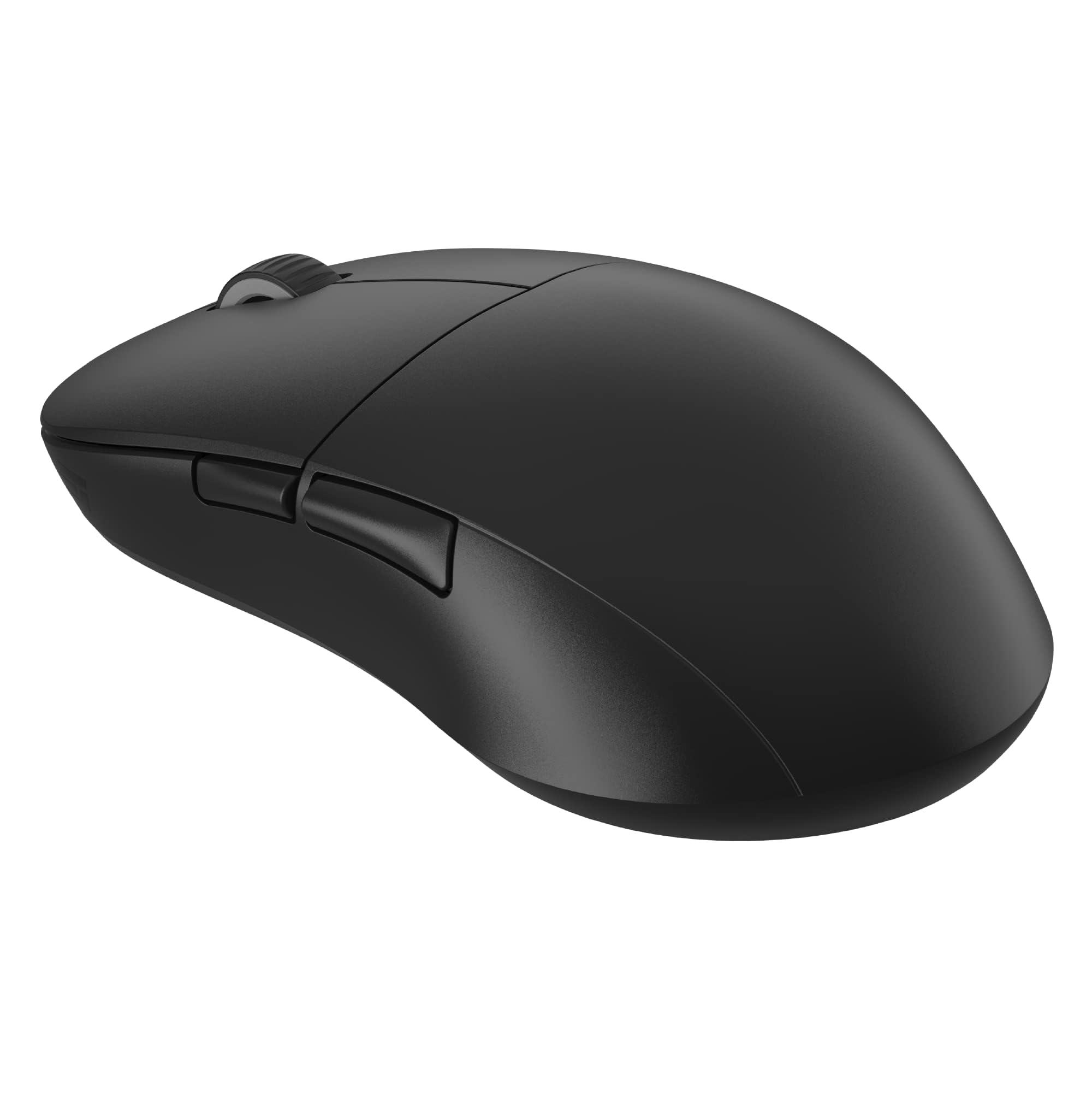
Sub-40g Ultra-Lightweight FPS Specialist
- Extremely lightweight at just 39g
- PixArt PAW3370 sensor ensures tracking
- Minimalist design reduces wrist fatigue
- Lacks proprietary software features
- Stripped-down build feels less durable

The Ergonomic Wireless Gaming Mouse Perfected
- Proven right-handed ergonomic shape
- Focus Pro 30K sensor tracks
- Gen-3 optical switches ensure longevity
- Right-handed only design limits users
- Slightly heavier at 63g

Top-Tier Wireless for Competitive FPS Players
- Familiar ambidextrous silhouette for comfort
- Zero-software latency for responsive clicks
- Tournament-grade durability survives heavy use
- Lacks customizable software features entirely
- Premium price positioning for market
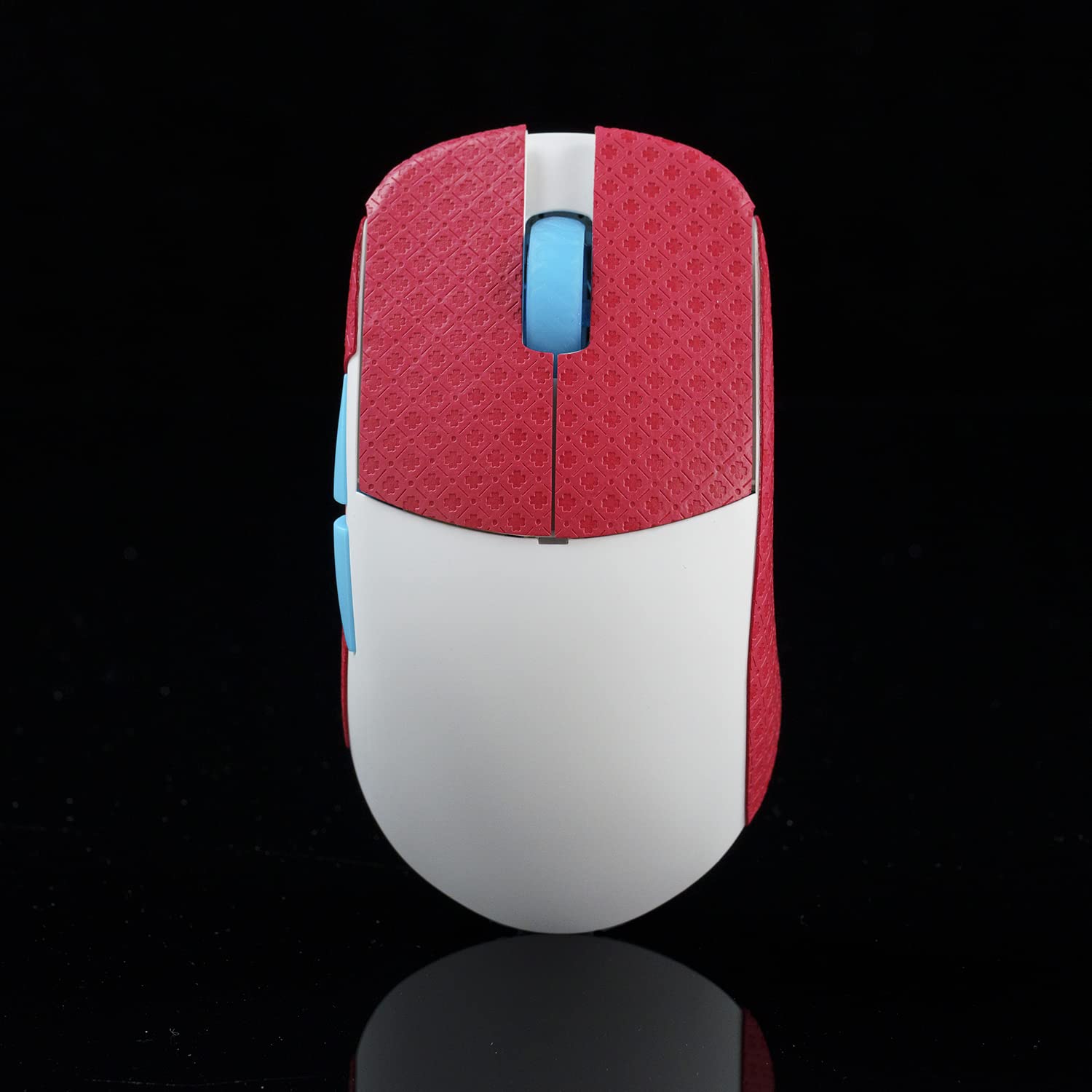
Sub-€20 Flagship Wireless Performance
- Flagship PAW3395 sensor for tracking
- Mid-40g honeycomb PBT shell
- Excellent price-to-performance ratio for gamers
- Minimalist software ecosystem for users
- Exposed shell design collects debris
Sub-60g Precision Tool for Smaller Hands
- Exactly 54g compact footprint
- PAW3395 sensor supports 20kHz polling
- MagSpeed magnetic charging is convenient
- Honeycomb shell requires regular cleaning
- Tailored specifically for smaller hands

Ultra-lightweight Wireless Gaming for Speed and Agility
- Hollowed chassis keeps weight minimal
- PAW3395 optical sensor ensures precision
- Durable G-SOFT optical switches last longer
- Honeycomb shell collects dust easily
- Symmetrical shape lacks ergonomic support

Classic Ergonomic Shape Meets Wireless Freedom
- LIGHTFORCE hybrid switches reduce failures
- Extensive button layout for productivity
- Reliable LIGHTSPEED wireless connectivity
- Heavier than ultralight competitors
- Higher price point for users
Pros
- Solid build at just 250g
- Hot-swappable flexibility for customization
- Great value for tight budgets
Cons
- Plastic internals found in models
- Acoustic performance varies across units
Final verdict
Extensive research and cross-referencing of technical documentation, independent benchmarking data, and long-term user feedback confirm that the current market leaders deliver a mature balance of performance and reliability, making the optimal choice dependent on aligning specific feature priorities with your workflow requirements rather than chasing marginal specification increases. ::
Based on a comprehensive synthesis of manufacturer specifications, third-party verification, and aggregated consumer experiences, the landscape for these products is defined by clear segmentation rather than a single dominant solution. The top-tier contenders consistently demonstrate superior thermal management, material integrity, and operational consistency, distinguishing themselves from options that may boast impressive peak metrics but lack stability under sustained use. Our analysis prioritizes durability, ergonomic design, and long-term support policies over transient marketing metrics, highlighting models that maintain performance stability and offer transparent repairability. The data indicates that while price points vary significantly, the gap in core functionality between value-focused leaders and premium models has narrowed considerably, making mid-range options increasingly viable for users who do not require specialized professional-grade capabilities. This convergence suggests that investing in a higher price bracket yields diminishing returns unless specific advanced features are essential to your daily tasks.
Selecting the right option requires a disciplined audit of your actual usage patterns and environment. If portability and all-day comfort are paramount, attention must focus on weight distribution, interface responsiveness, and efficiency under typical loads rather than peak stress tests. Models optimized for mobility often sacrifice raw output or storage capacity, but for users prioritizing agility, these compromises are justified by the reduction